The rapid expansion of the UK’s film and television sector is no longer just a cultural story – it’s a built environment one. From studio campuses and retrofit to mixed-use regeneration and skills-led place-making, screen is reshaping how and where investment happens. At White Label, we have spent more than 15 years working at the intersection of policy, capital and place, and in 2025 we brought that experience to bear on one of the UK’s fastest-growing sectors.
Anticipating the Government’s designation of Creative Industries as a high-growth sector within the Industrial Strategy, White Label launched the UK Screen Investment Programme in partnership with Hertfordshire Futures – six months before the publication of the dedicated sector plan.
Designed to align public policy, private investment and physical development, the Programme reflects White Label’s long-standing role as a convenor for complex growth agendas rooted in the built environment.
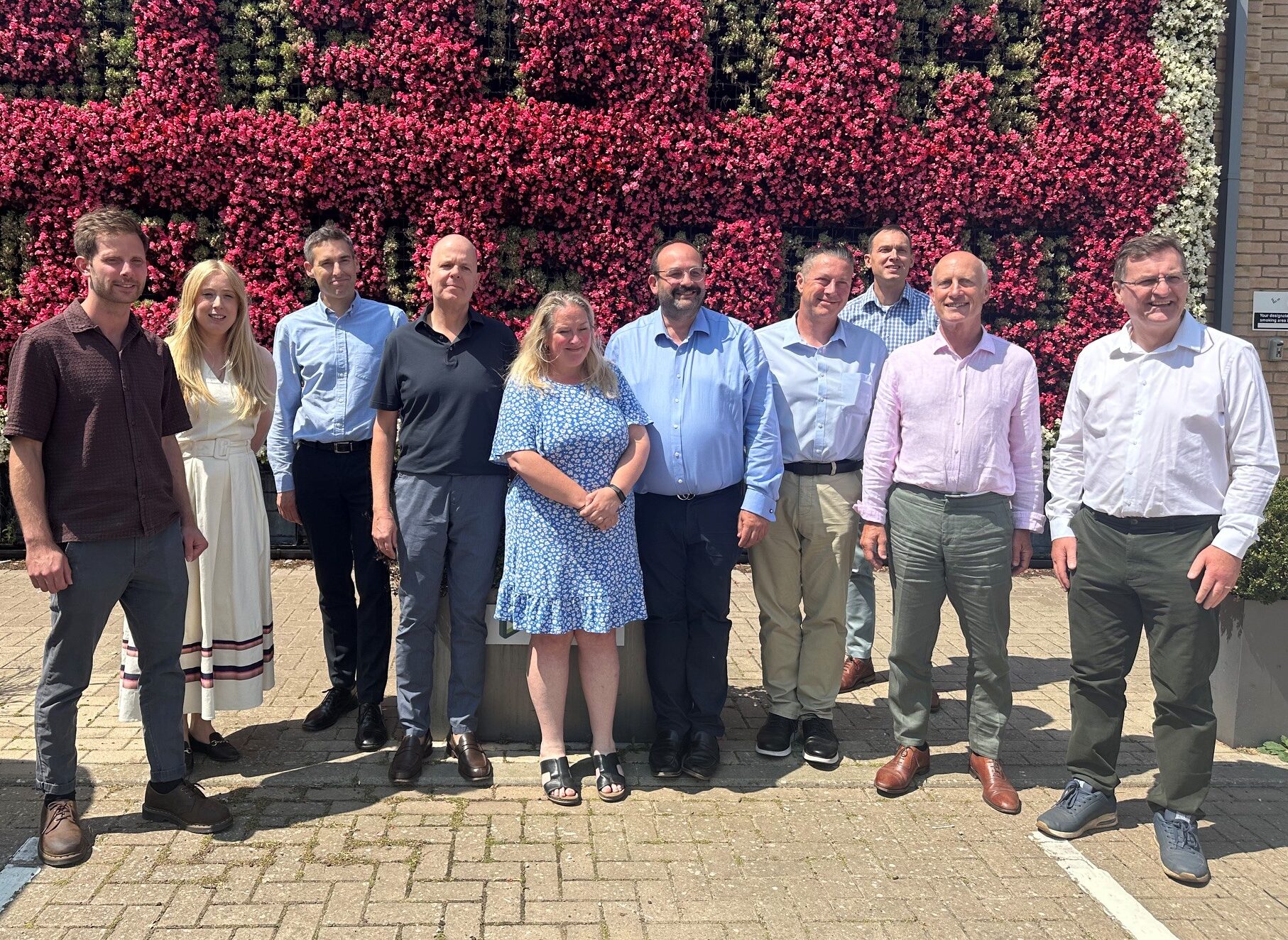
The Programme hosted a year of activity in 2025, advised by a steering group chaired by David Conway, CEO of Pinewood Studios, which has been built to attract senior voices from across the UK and sector leaders.
The inaugural UK Screen Investment Summit in November was the Programme’s flagship event. It brought together, for the first time, a diverse group of businesses and places committed to the growth of the UK’s screen industry and its wider supply chain. It was a pivotal moment, uniting major production companies, Government leaders, and organisations spanning law, construction and development.
The Summit evidenced how the screen sector now faces many of the same challenges we’ve experienced in our wider built environment experience across new towns, city centres, industrial and logistics hubs, and life sciences campuses – sectors where long-term success depends on aligning infrastructure, investment, skills and stewardship from the outset.
In his opening keynote, Councillor Jeremy Newmark, representing Hertsmere Borough Council, Hertfordshire Growth Board and Elstree Studios, praised the event: “This isn’t just another conference. It’s the day where we’re empowered to choose whether the UK is simply a location for other people’s stories or whether we use our sector to drive prosperity.”
He added: “This programme, with this summit at its heart, is about aligning public policy, private capital, studio capacity and, critically, skills — so our sector is not a nice-to-have, but a core driver of the national growth mission.”
Drawing on White Label’s broad experience across the built environment, the Summit’s themes included the changing landscape of studio development, retrofit and studio campuses.
Chairing a session on studio campuses, Paul Serkis, Director, McLaren, said: “Whatever we do, it should be UK PLC-driven and it shouldn’t be trapped in the silos that prevent some of the excellent things we do in the creative arts.”
RIOS’s Paul Westwood reinforced this, calling for new campuses to be embedded in “an urban context” next to schools and offices rather than sitting behind fences, to invite communities in.
Several next-generation facilities showcased at the Summit exemplified this shift. The Littlewoods Building – an iconic 1930s art deco masterpiece in the heart of Liverpool – is being transformed into a world-class media hub with film and TV studios, to ensure the North of England benefits from screen’s economic bounce. Similarly, Camden Film Studios, part of the Camden Film Quarter, is a film-led regeneration project bringing new homes, education space and creative employment to Kentish Town, close to central London. The Quarter includes around 1,000 homes, business space, shops, cafes and restaurants and an offshoot of the London Screen Academy/National Film & Television School, to ensure those living in the development can access local jobs.
Robert Laycock, CEO, Marlow Film Studios, further highlighted the need for integrated ecosystems. Speaking at the Summit on the day Government approved the proposal for his Buckinghamshire studios, Mr Laycock said: “We need integrated production facilities: integrated ecosystems where innovation, talent and technology align. That is how we secure, and strengthen, our world-leading position.”
The next generation of studio development will be defined by integration, not isolation. Investors, councils and developers are increasingly looking beyond sound stages alone, towards urban, mixed-use campuses that embed skills, innovation and community value, and that is precisely where White Label’s experience in shaping complex places adds most value.
As the conversations throughout the Summit made clear (more details are available here), the future success of the UK’s screen sector will be defined as much by the quality of its places as by the content produced within them. Integrated campuses, urban regeneration, retrofit and skills-linked development are no longer optional extras – they are essential to creating resilient, investable and internationally competitive studio ecosystems.
Moving into 2026, White Label will continue to apply its built environment expertise to the screen sector through the UK Screen Investment Programme, with anchor moments at MIPIM and UKREiiF, the return of the Investment Dinner and Summit, and a growing body of content focused on innovation and AI, skills, sustainability, investment and regional collaboration. As with all our work, the focus remains the same: helping places and partners turn growth sectors into long-term, delivery-ready opportunities rooted in real assets and real communities.
White Label works with places that want more than momentum – supporting clients to attract global investment, position themselves internationally, and turn growth sectors into deliverable, investable assets embedded in the built environment.