
By Ben Dean, Web Project Manager at White Label
White Label’s design studio have been quietly busy. Over the past 10 months, we’ve launched (or are about to launch) eight new websites for a wide range of organisations, each with its own unique challenges and goals.
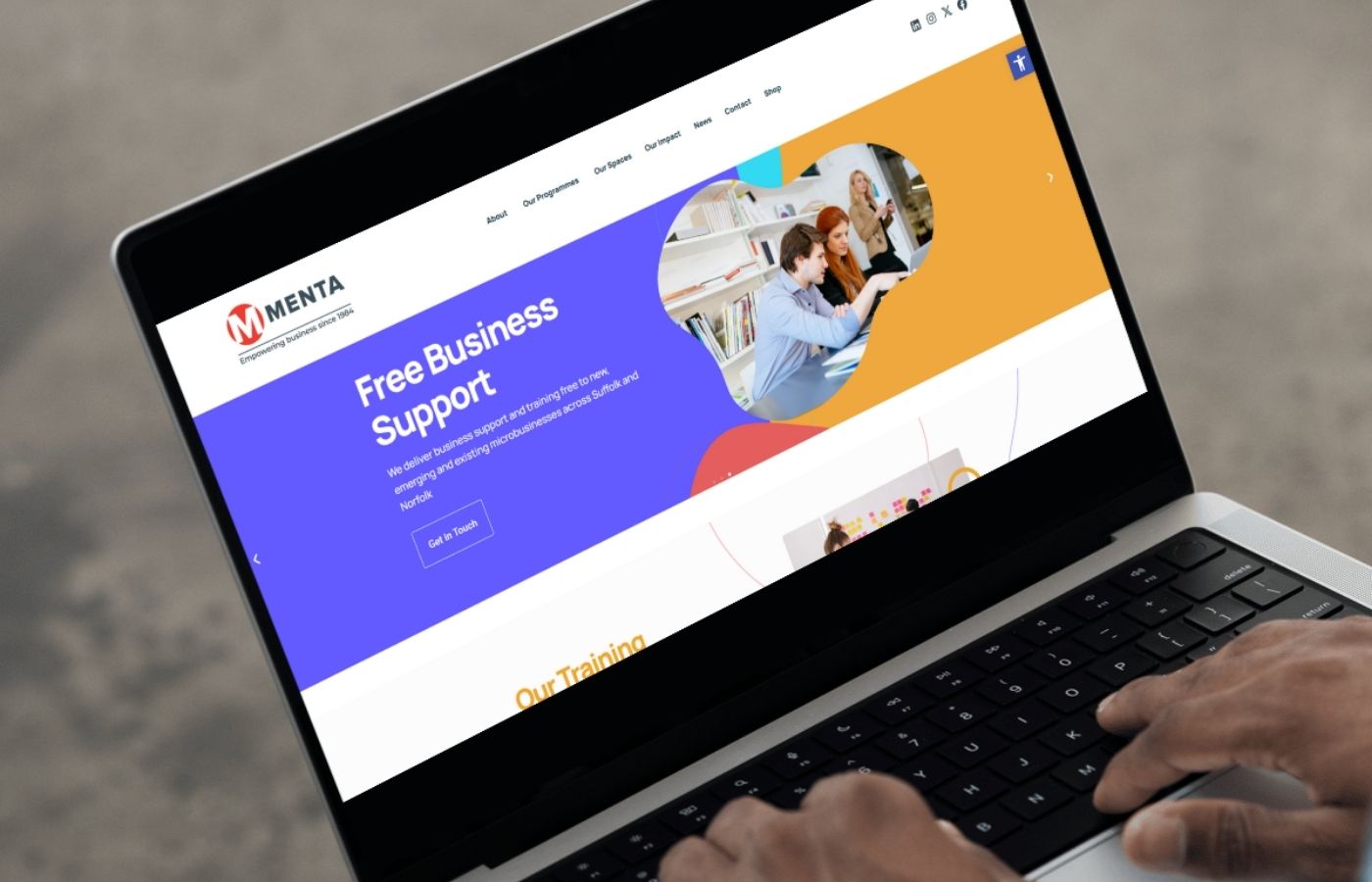
From website launches for clients like the UK Innovation Corridor to MENTA, Croydon SACRE, Central London Forward, Gatwick Region, and the soon-to-launch Potter Raper, Oxon, and Electricool websites, we’ve had the opportunity to help businesses and organisations rethink their digital presence and make it work harder.
It’s a lot of work, but it’s also taught us a lot. Here are a few thoughts on what makes a website really do its job.
What’s the role of a website, and how do you know when you need one?
Think of a website like your business’s shop window. It’s often the first place people go to learn who you are, what you do, and – crucially – whether they can trust you. That moment of judgment happens fast. Seconds, even.
You’ll know it’s time for a new website when the current one stops pulling its weight. Maybe it feels outdated, isn’t showing up in search, or isn’t converting visitors into leads. If you’re hesitating before sharing the URL, that’s a big clue it needs a rethink.
A great website isn’t just there to look good – it should help people understand you, answer their questions, and guide them toward taking action.
How does a website help build trust?
People judge online in the blink of an eye. A clean, professional site sends a clear message: “We’ve got this.” And if it’s easy to use? Even better.
Take Central London Forward, for example. Their audience includes everyone from policymakers to council leaders. Their new site needed to feel trustworthy, clear and purposeful. No frills – just well-designed, functional and focused. It does its job quietly and confidently To me, that’s smart design.
How do we work with clients?
We don’t just jump straight into the design. We ask a lot of questions. We want to understand the business inside-out – what makes it tick, who it’s for, what it needs to do.
Every design choice is tied back to the organisation’s goals. We treat it like a partnership, not a transaction.
The biggest mistakes we see?
The number one issue? Making the website all about you, not the person visiting it.
Too many sites start with, “We’re great, we do this…” but visitors are thinking, “Can you help me?” If your site doesn’t answer that – and fast – they’ll go elsewhere.
Other pitfalls: vague calls to action, forgetting mobile users, and sites that are slow to load. It’s the basics – but they really matter.
A great site should feel like a good conversation: clear, helpful, and human.
How do you know if it’s working?
That depends on your goals. More traffic, better enquiries, increased sales – whatever it is, it should be measurable. We always encourage clients to define what success looks like from the start.
(We’ve got a few success stories we’ll be sharing soon.)
Thinking about a new site this year?
Here’s one piece of advice I’d give: Be clear on the “why” before you start.
A website isn’t just a nice bit of design – it’s a business tool. Is it about attracting new customers? Supporting existing ones? Recruiting staff? Whatever your objective, that should drive everything: the structure, the content, and the design.
Too often, people start with, “Let’s make it look modern.” But if you haven’t nailed down what it’s for, you risk ending up with something that looks good but doesn’t work.
Start with purpose. Stay focused on your users. And build something that earns its place in your business.
Check out some of our recent work:
- UK Innovation Corridor
- MENTA
- Croydon SACRE
- Central London Forward
- Gatwick Region
- Potter Raper (launching next week)
- Coming soon: Oxon (May 16) and Electricool (May 30)
Want to talk about your next web project? Drop us a line – we’d love to help you make your site work harder.

